
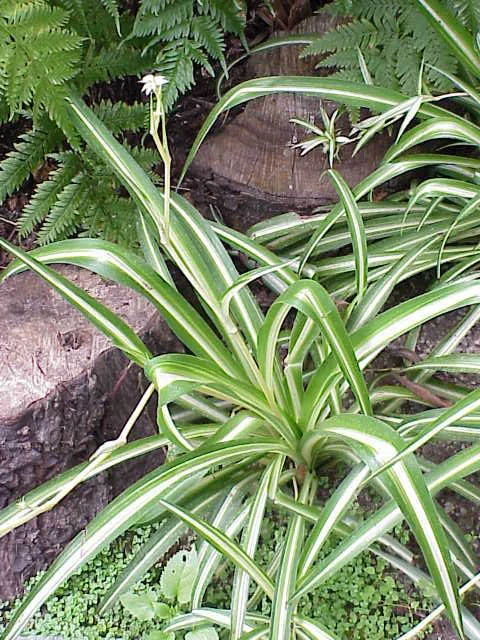
Brown tips are damaged tissue. They can point to inconsistent water availability, dry air, or a buildup of dissolved salts from fertilizer and water. The same appearance can have different causes on different plants, so resist treating the tip as a diagnosis.
Look beyond the brown area
- Crisp tips and very dry mix: the plant may have gone too long without water, or the mix may not have absorbed water evenly.
- Brown tips with a white crust on the mix or pot: check for mineral or fertilizer salt buildup.
- Many tips worsening near a heater or air vent: dry air or temperature swings may be contributing.
- Brown areas in the middle of a leaf: investigate light damage, leaf spots, and other causes instead of assuming a watering problem.
Check the roots if the plant is declining despite apparently adequate water. Damaged roots cannot supply leaves reliably.
A careful response
- Check moisture below the surface and compare the pot's weight before watering again.
- When the plant needs water, water thoroughly enough to drain through the bottom, then empty the saucer. Match the timing to the species and potting mix.
- If there is a salt crust, review how much fertilizer you use and whether water drains freely. University of Maryland Extension recommends flushing excess salts through the potting mix when needed.
- If the room is very dry, consider a humidifier or a suitable pebble tray. Keep the pot above the waterline. Avoid soaking leaves that should stay dry.
Do not sharply increase watering and fertilizer together. Change one thing, then watch new leaves over the next few weeks. Brown tissue on an existing tip will not regain its original color.
When a photo is not enough
A close-up cannot tell you the humidity, watering history, or soluble salt level of the potting mix. A whole-plant photo plus notes about the room and care routine makes the next decision safer. If the damage spreads rapidly, ask a local plant expert to examine the plant.