
About 3 min read
Why Is My Houseplant Dropping Leaves? A Practical Checklist
A few old leaves falling is different from rapid loss across the plant. Check what changed in light, temperature, watering, and pest activity before acting.
Read guidePlant health library
A leaf can tell you something is wrong. It rarely tells you exactly why. These guides help you check the pot, roots, light, and recent care before choosing a next step.
Written by the Cambium editorial team using university extension and horticultural guidance. These guides support observation; they do not replace a hands-on diagnosis.
Start with what you see
About 3 min read
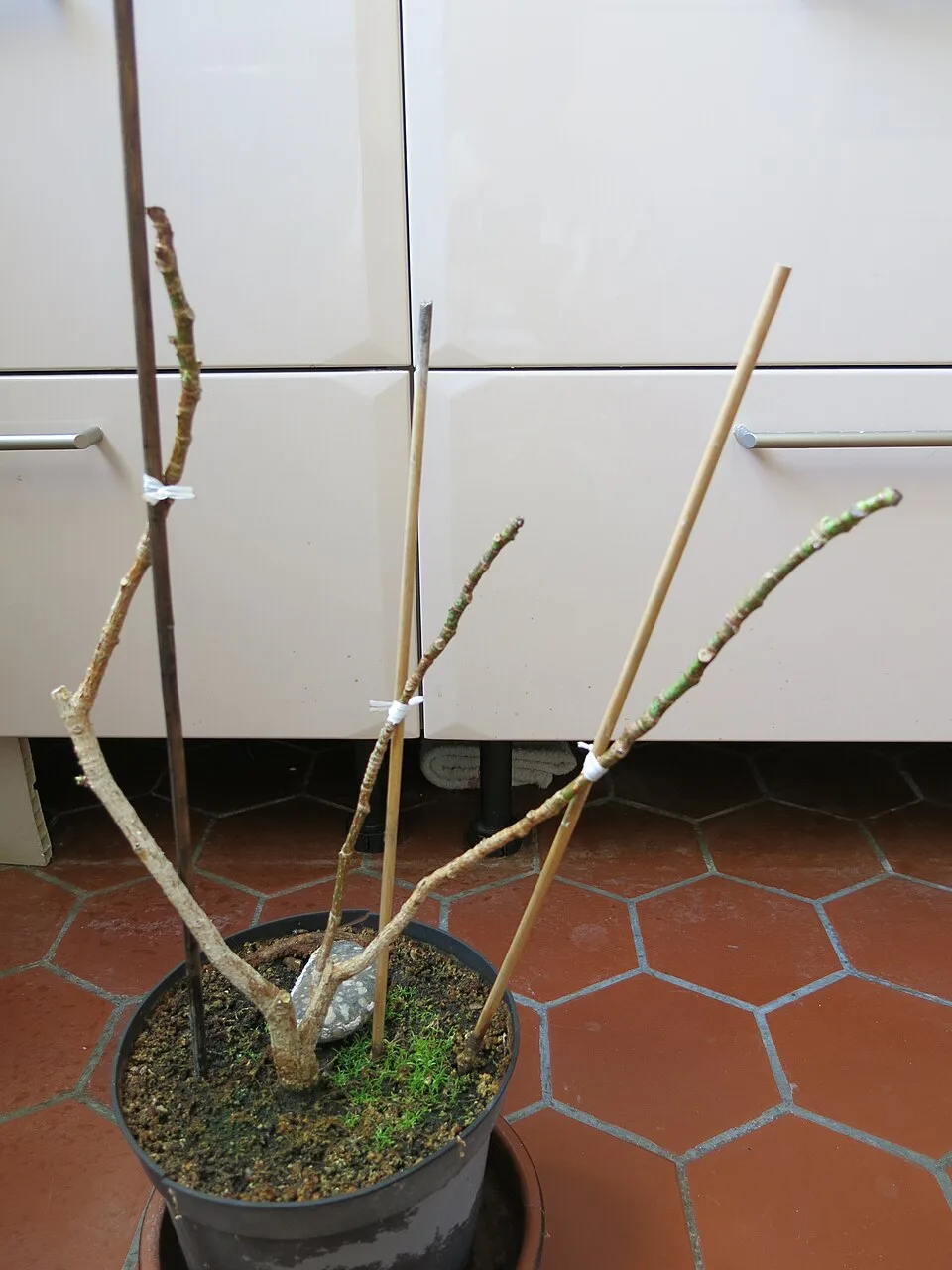
A few old leaves falling is different from rapid loss across the plant. Check what changed in light, temperature, watering, and pest activity before acting.
Read guide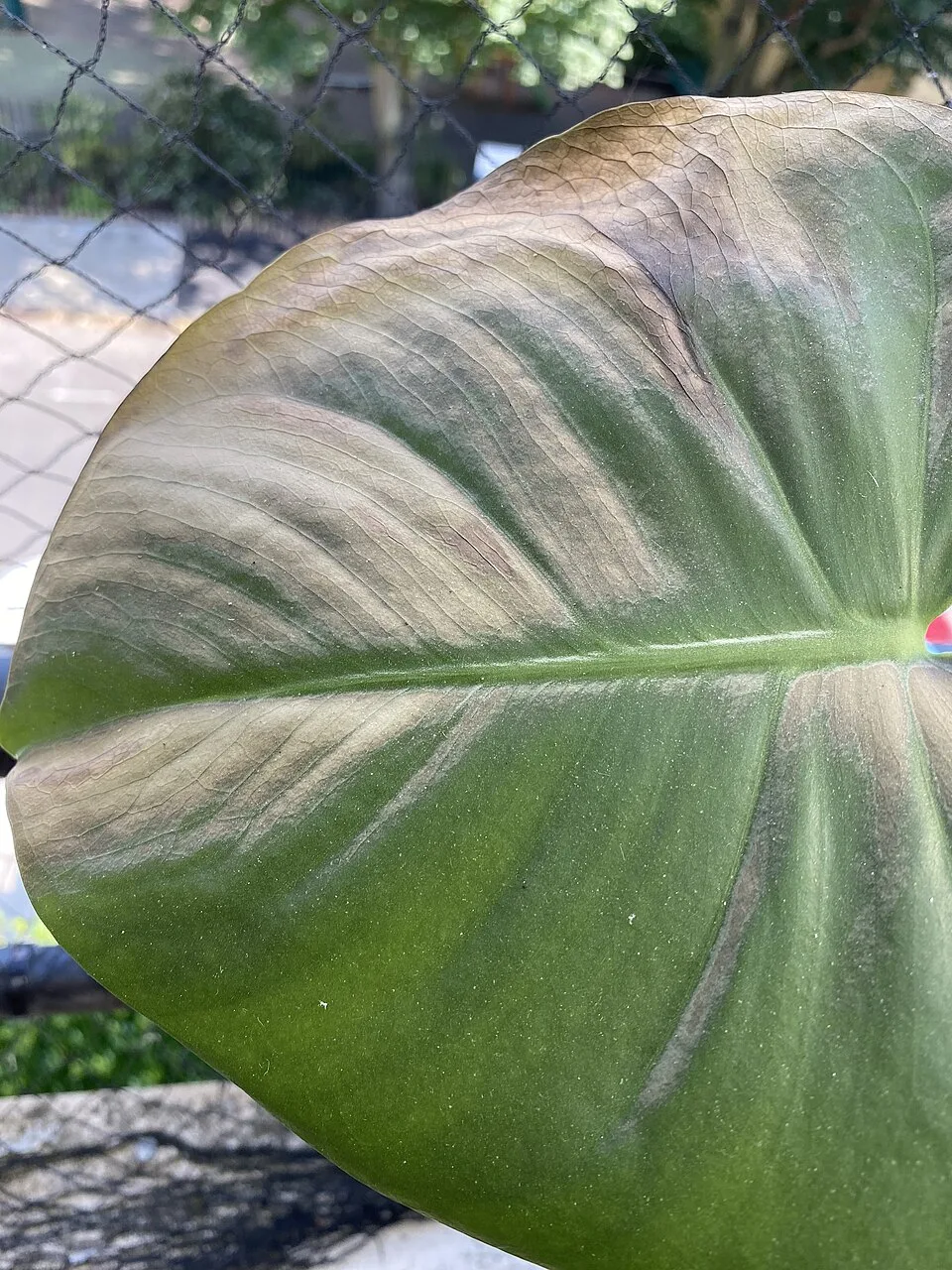
About 3 min read
A sudden move into direct sun can scorch leaves adapted to shade. Compare the damage with the light-facing side, then give the plant a suitable, steadier spot.
Read guide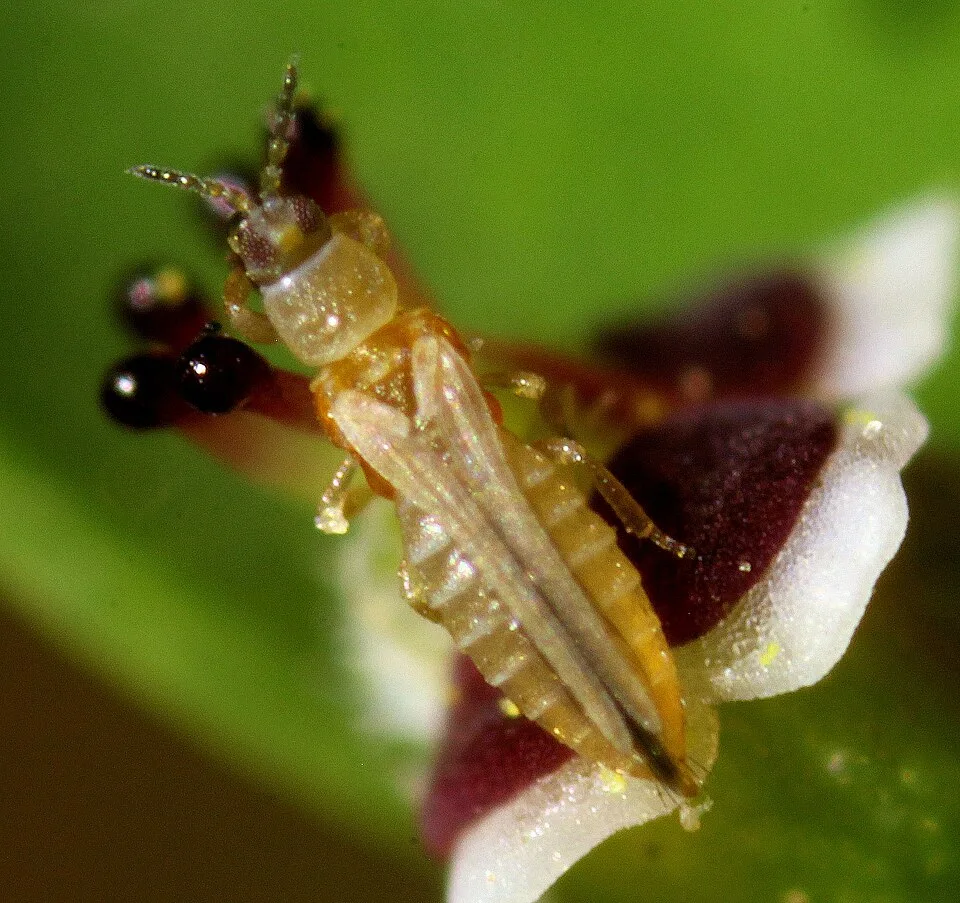
About 3 min read
Check new growth and leaf undersides for tiny moving insects before treating silvery damage as thrips. Isolate the plant and keep monitoring after removal.
Read guide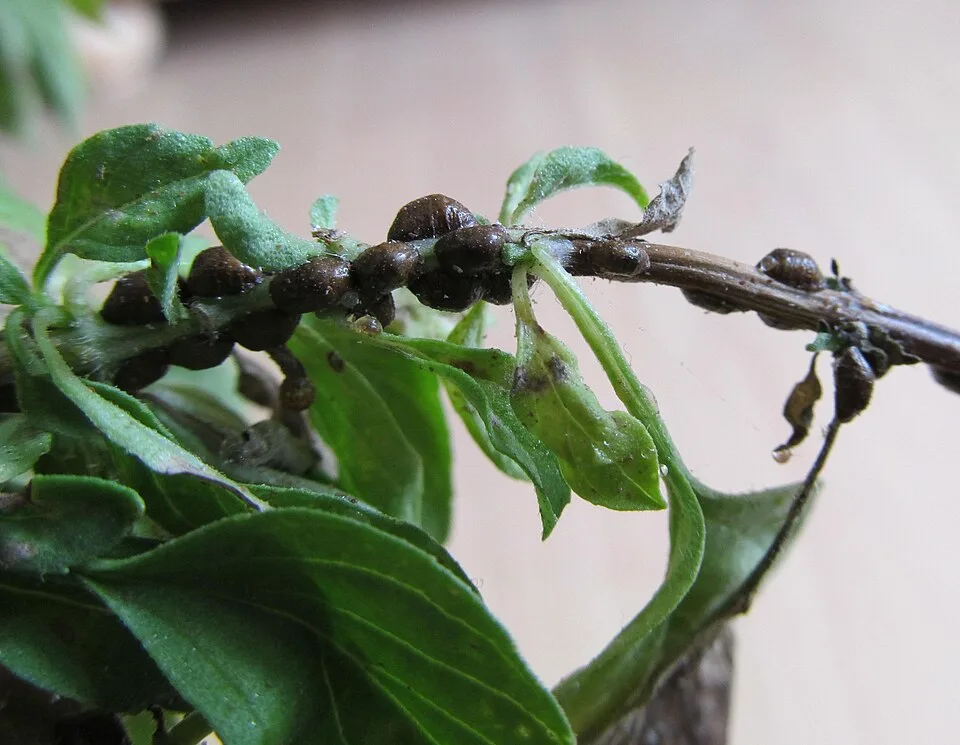
About 3 min read
Look closely at stems, leaf veins, and undersides for attached scale insects. Sticky honeydew is a clue for some scales, but its absence does not rule them out.
Read guide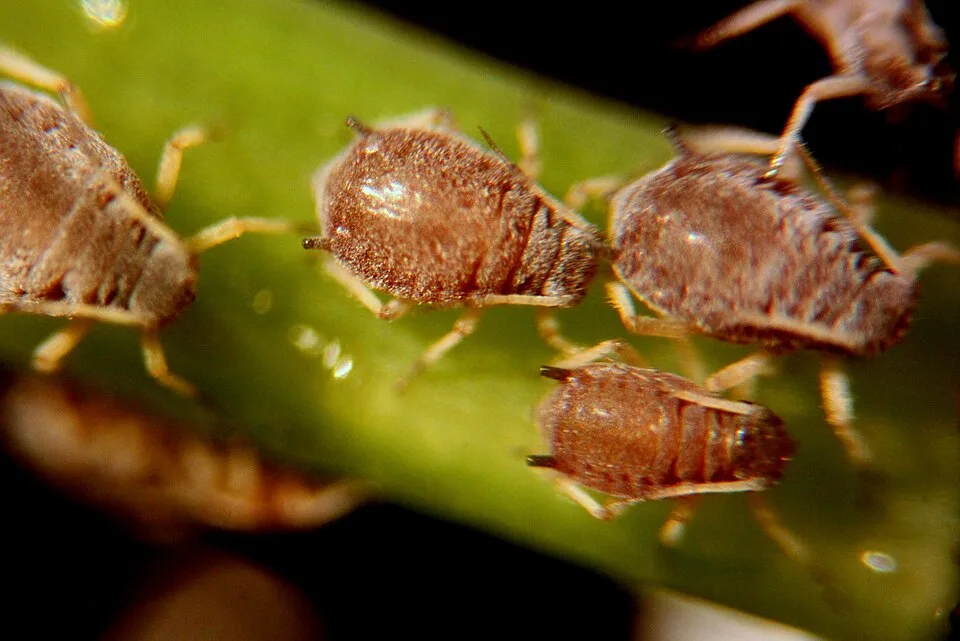
About 3 min read
Look for small, soft-bodied insects around new leaves and buds. Rinse or remove a small colony, then recheck the plant and its neighbors.
Read guide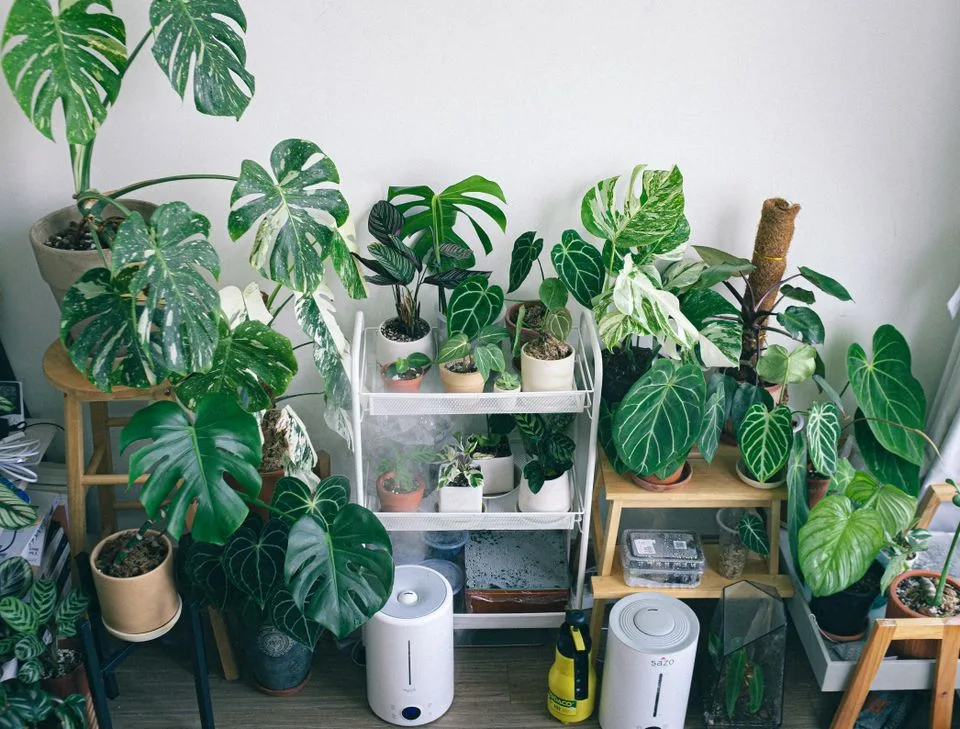
About 3 min read
Match humidity to the plant. Grouping plants or using a humidifier can help some tropical species, but first check watering, light, and drafts too.
Read guide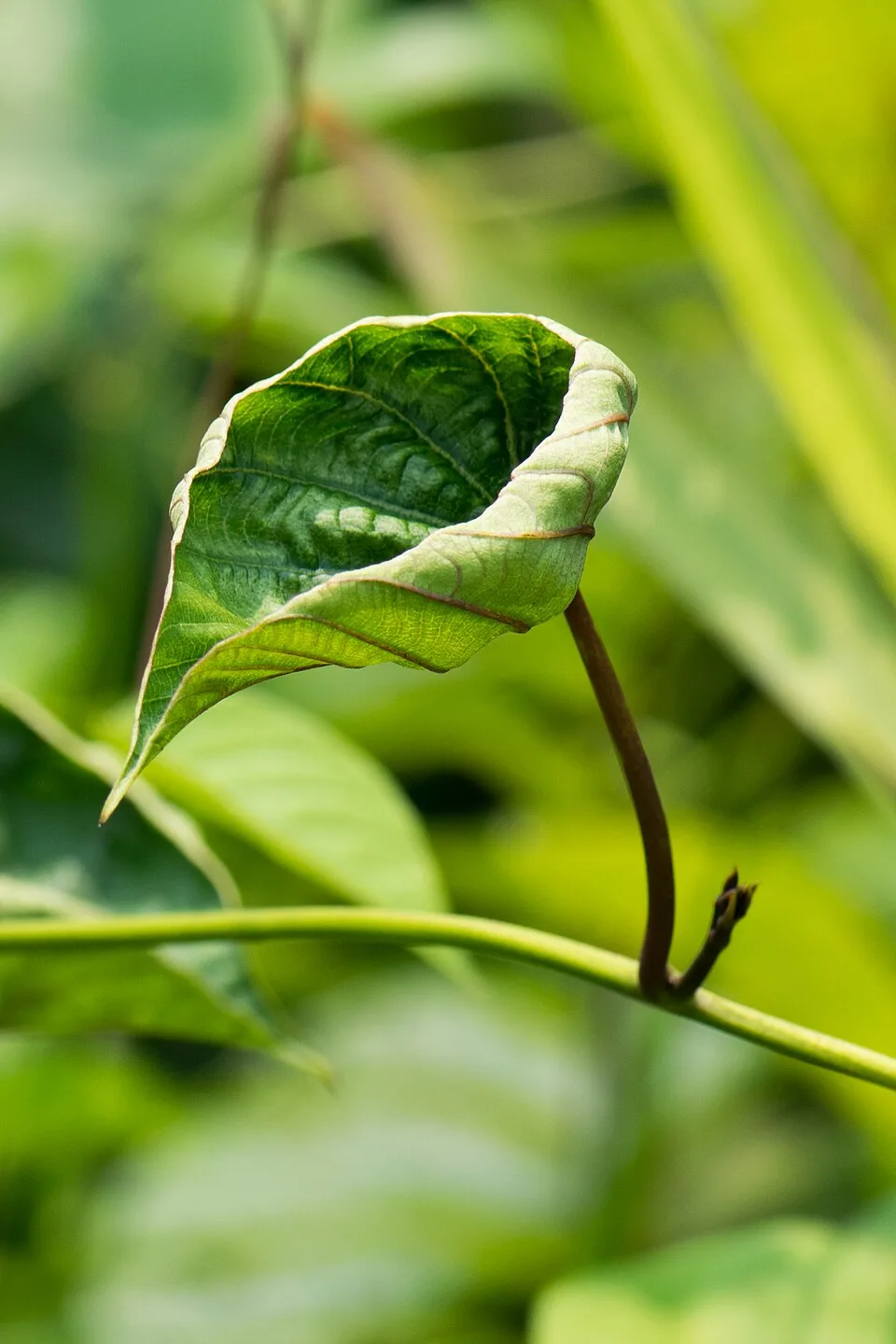
About 4 min read
A curled leaf is a clue, not a diagnosis. Check the potting mix, recent heat or drafts, and new growth before changing your care routine.
Read guide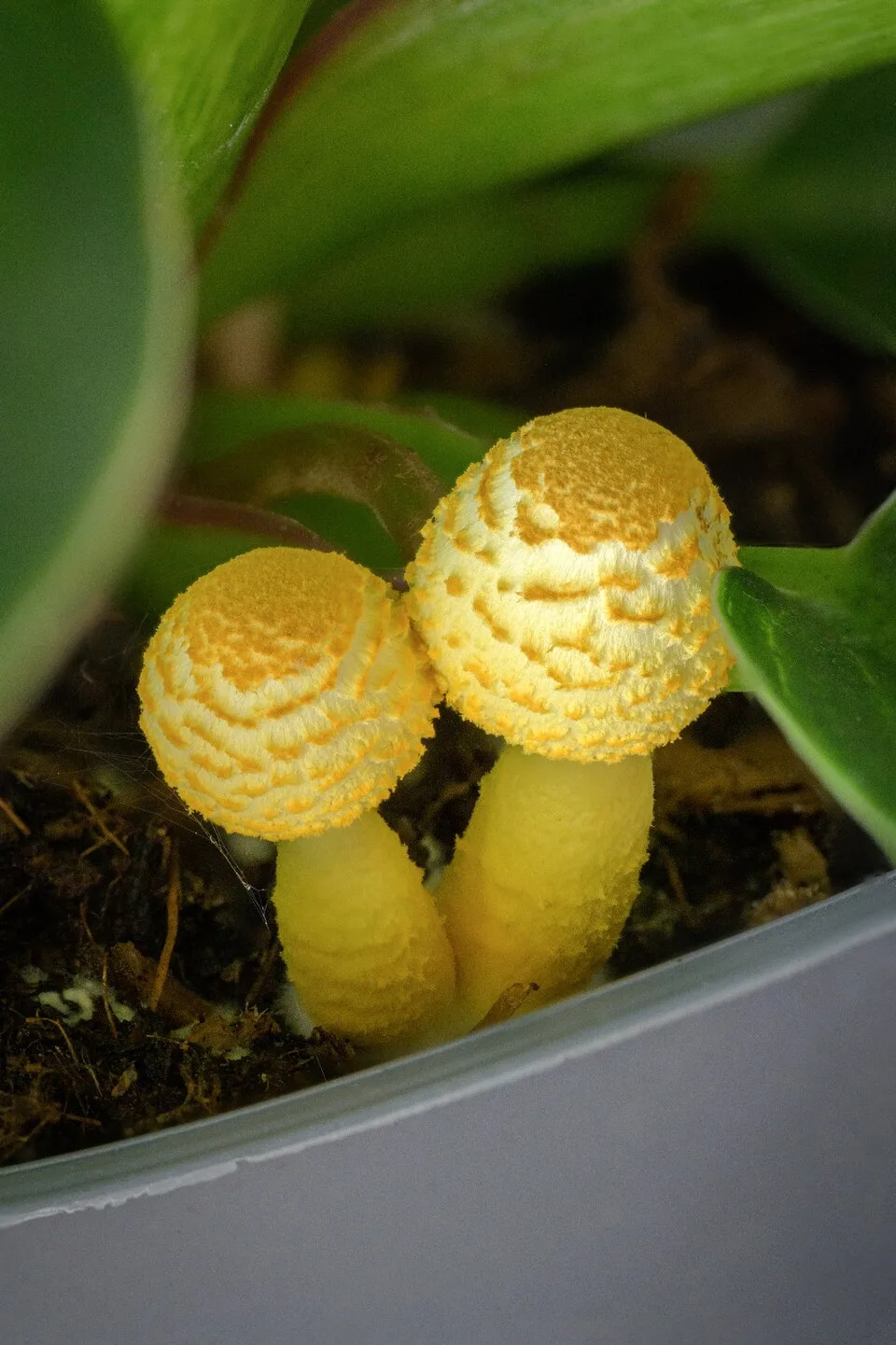
About 4 min read
A mushroom in the pot often feeds on organic matter, not the houseplant. Check moisture and drainage, and keep unidentified mushrooms away from children and pets.
Read guide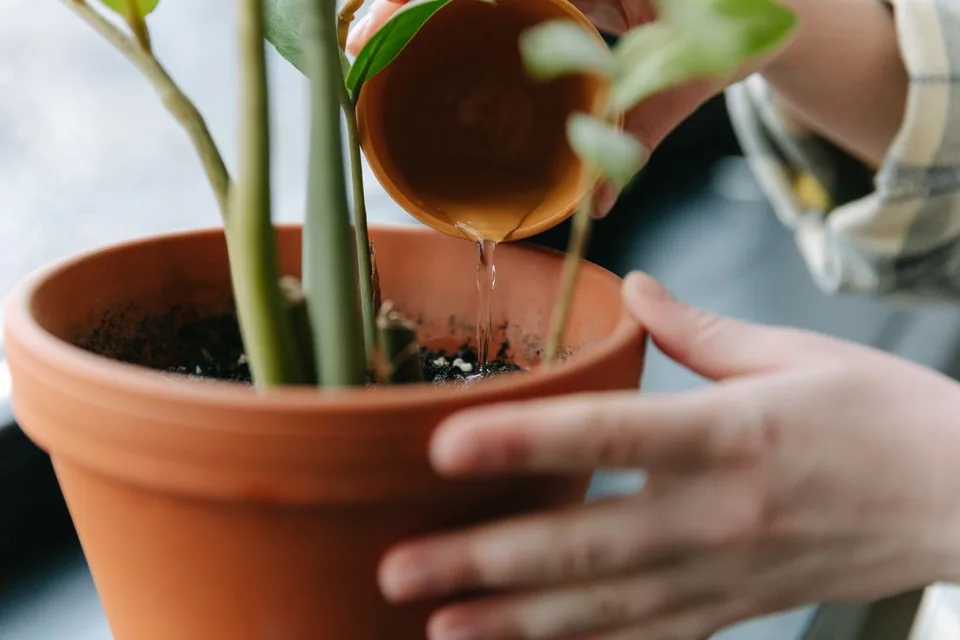
About 3 min read
Water when your plant's potting mix has dried to the level its species needs. Use a reminder to check the plant, rather than automatically adding water.
Read guide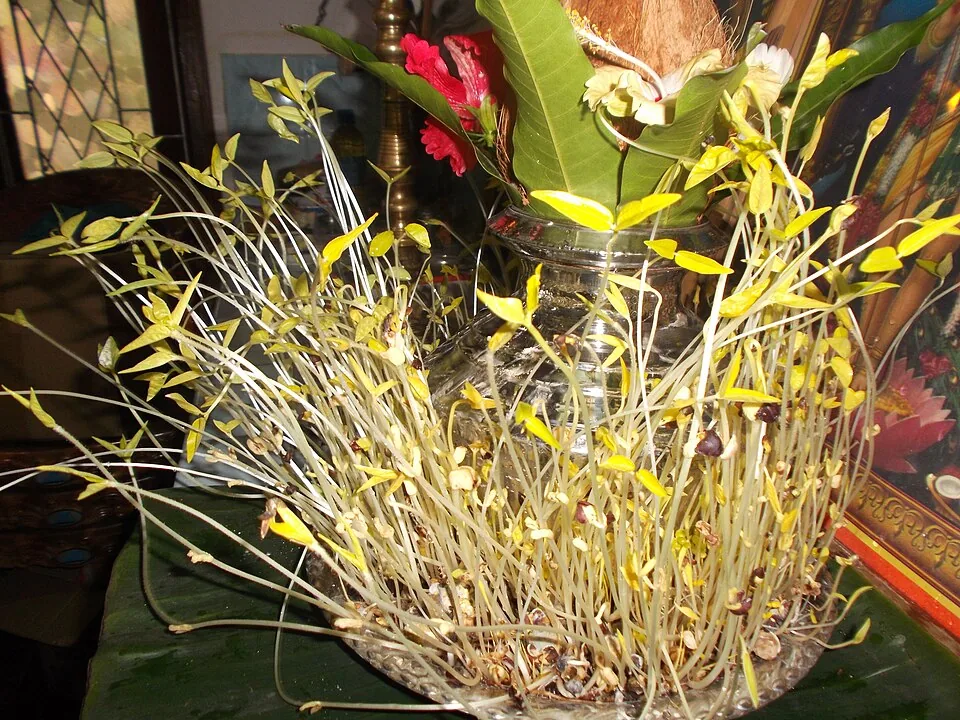
About 4 min read
Long, thin stems and wide gaps between leaves often signal too little light. Check the plant's light needs and change its position gradually.
Read guide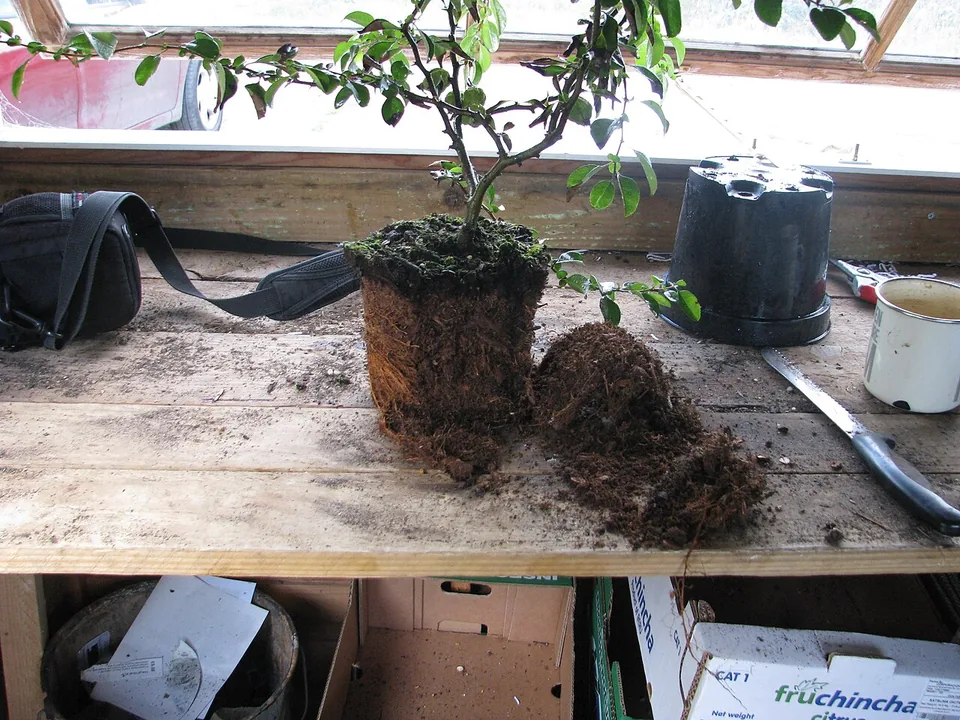
About 4 min read
Drooping or yellow leaves alone cannot distinguish overwatering from underwatering. Check the root-zone moisture and drainage before you add more water.
Read guide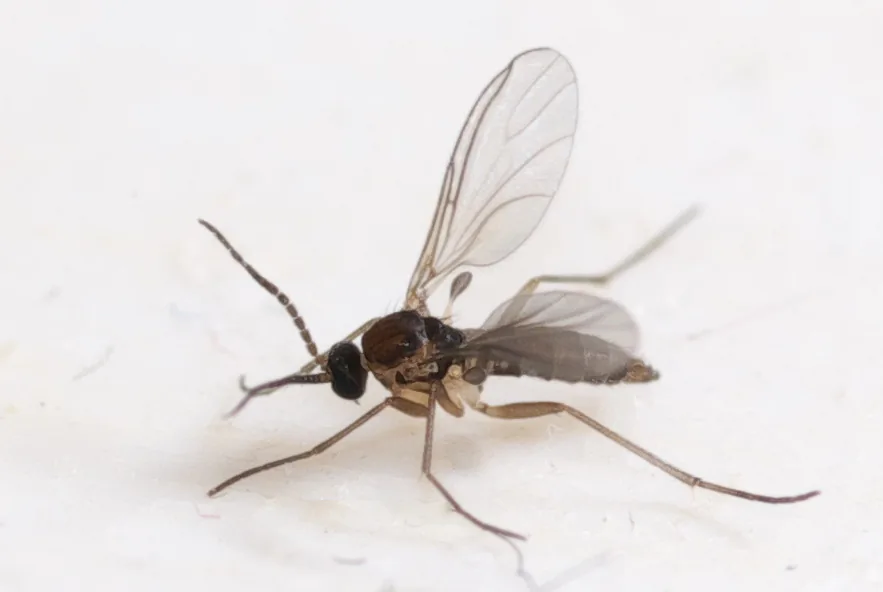
About 4 min read
Check where the flies originate, monitor adults with sticky traps, and correct persistently damp potting mix. Catching flying adults alone does not address larvae in the soil.
Read guide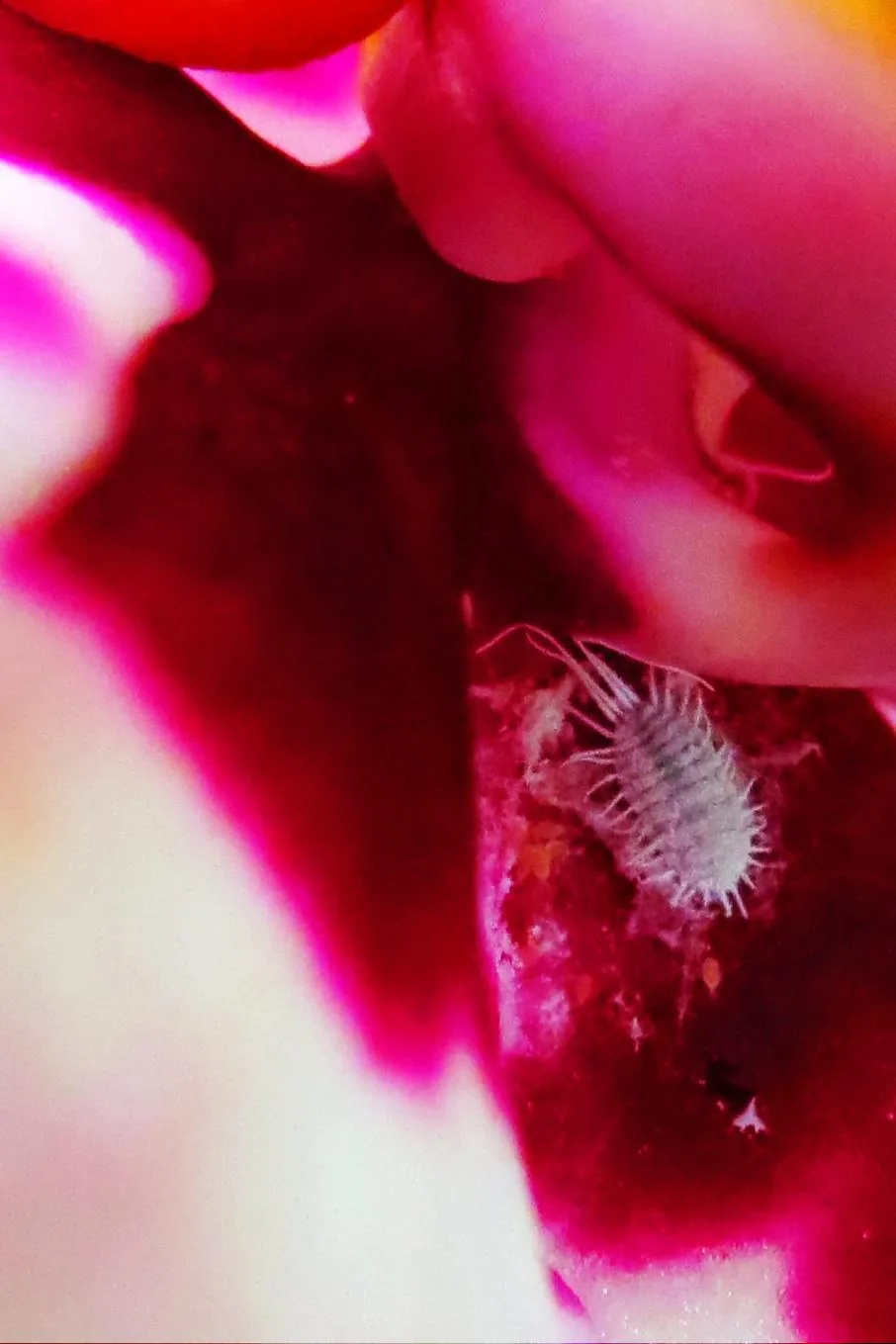
About 4 min read
White cottony clusters may be mealybugs. Inspect leaf joints and undersides, isolate the plant, and monitor after removing what you can see.
Read guide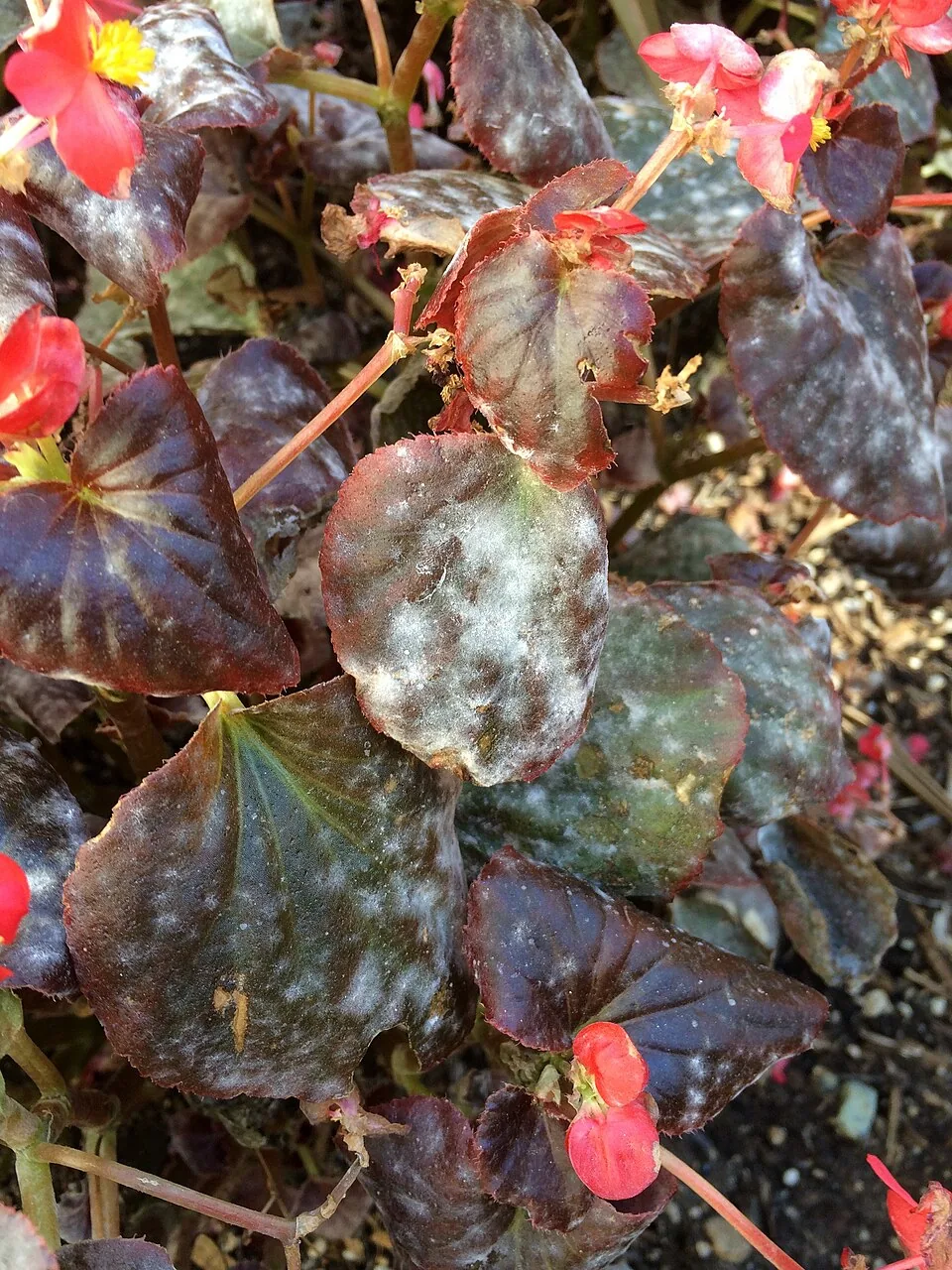
About 4 min read
A spreading, dusty coating may be powdery mildew, but residue and pests can look similar. Inspect both sides of leaves before changing care.
Read guide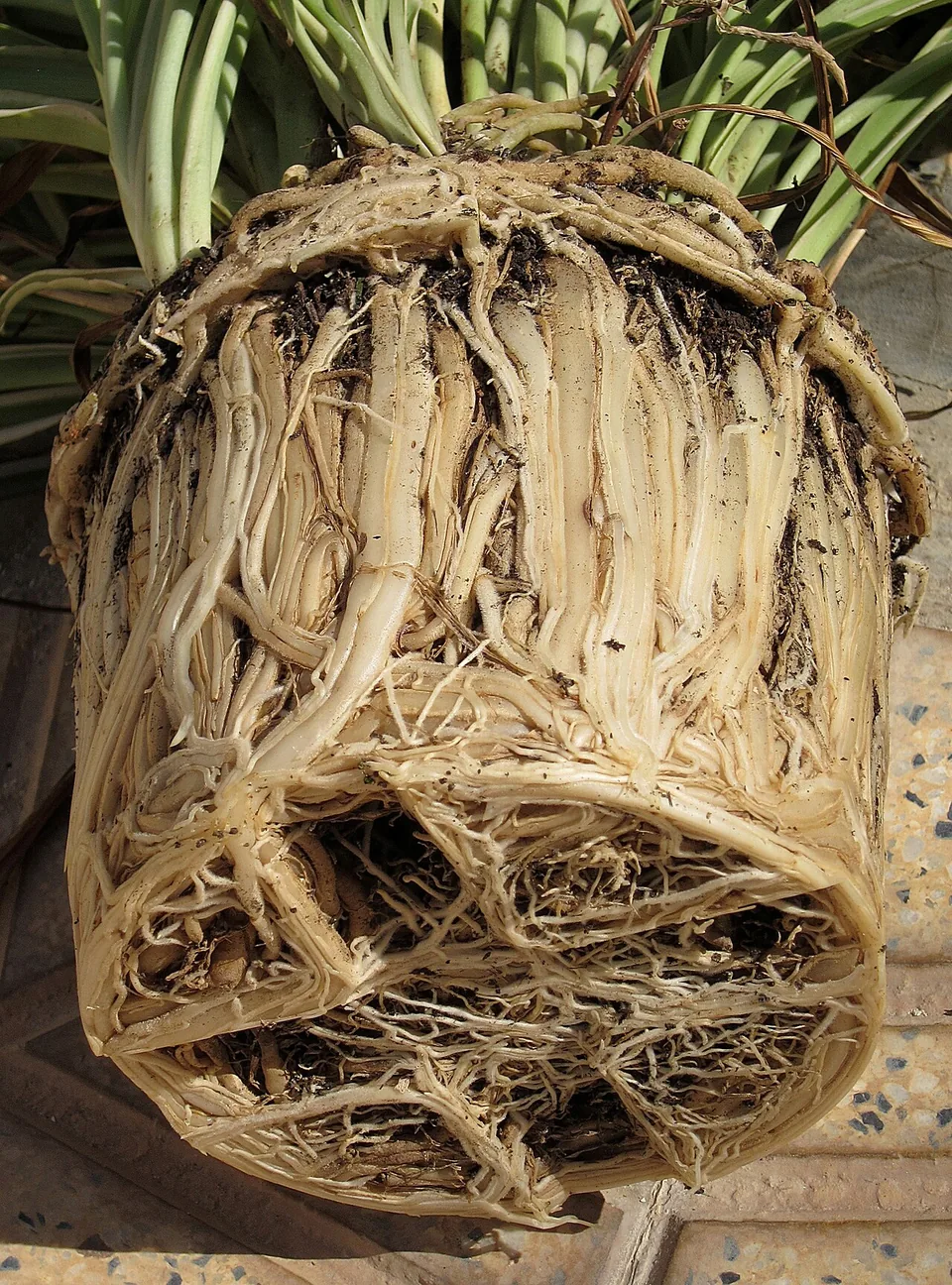
About 4 min read
Repot when root crowding or deteriorated potting mix calls for it. A yellow leaf alone is not a reason to move a plant into a much larger pot.
Read guide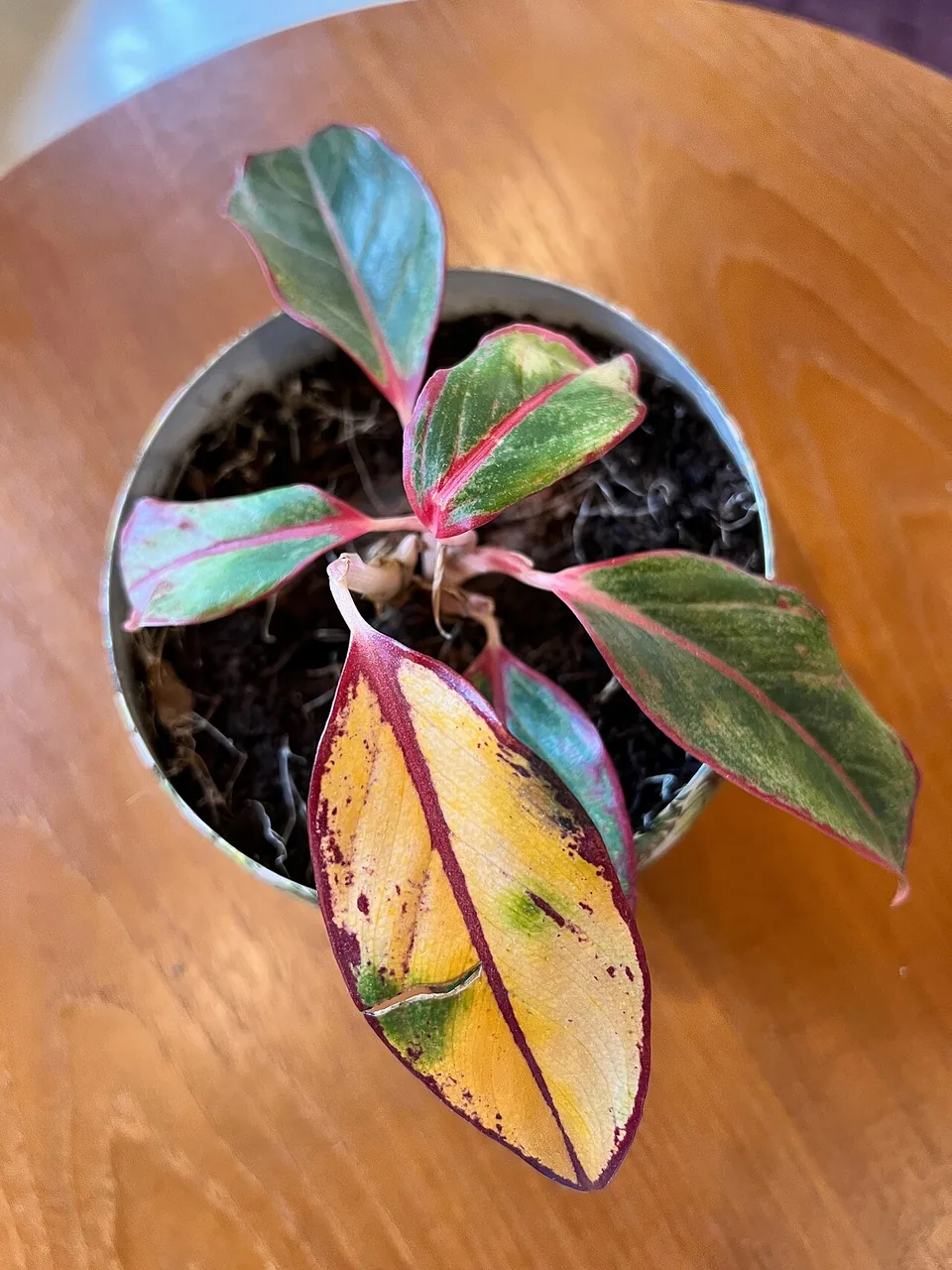
About 3 min read
A few yellow leaves do not tell the whole story. Check the pattern, potting mix, roots, and recent changes before acting.
Read guide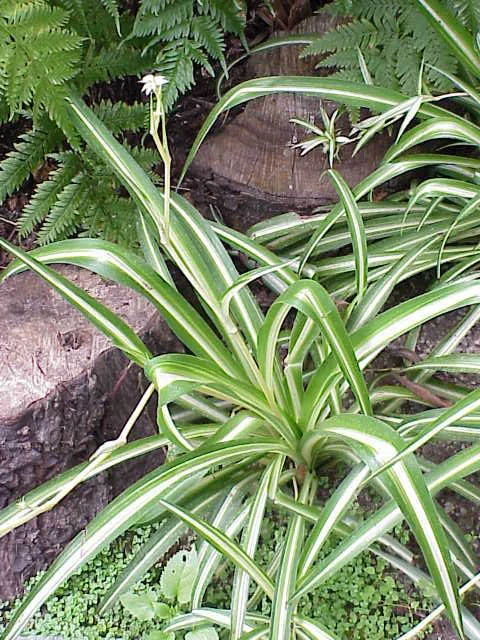
About 3 min read
Brown tips are common and have several causes. The potting mix and the pattern of damage give better clues than the tip alone.
Read guide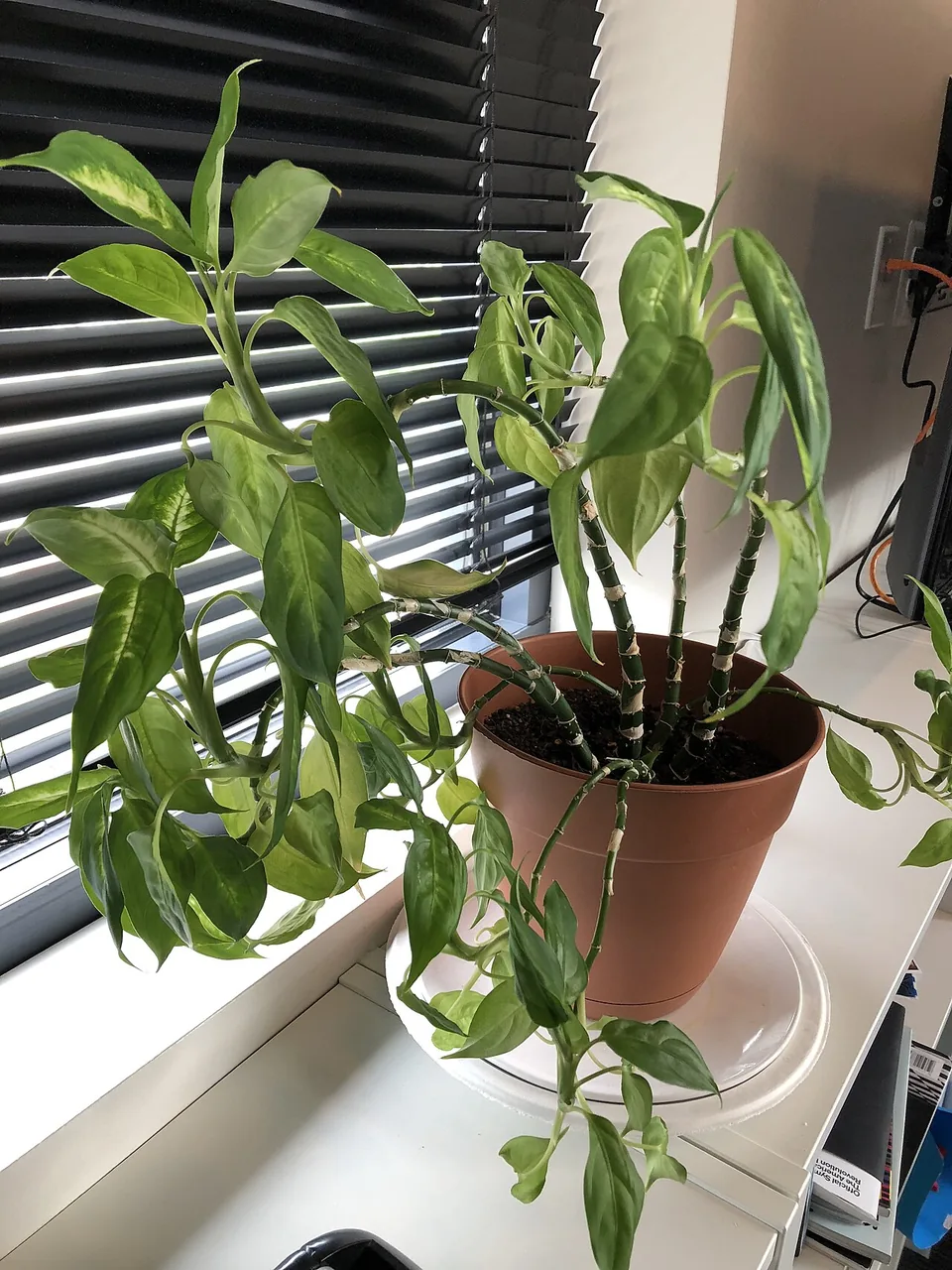
About 3 min read
Drooping leaves can follow both drought and root stress. Test the potting mix before reaching for the watering can.
Read guide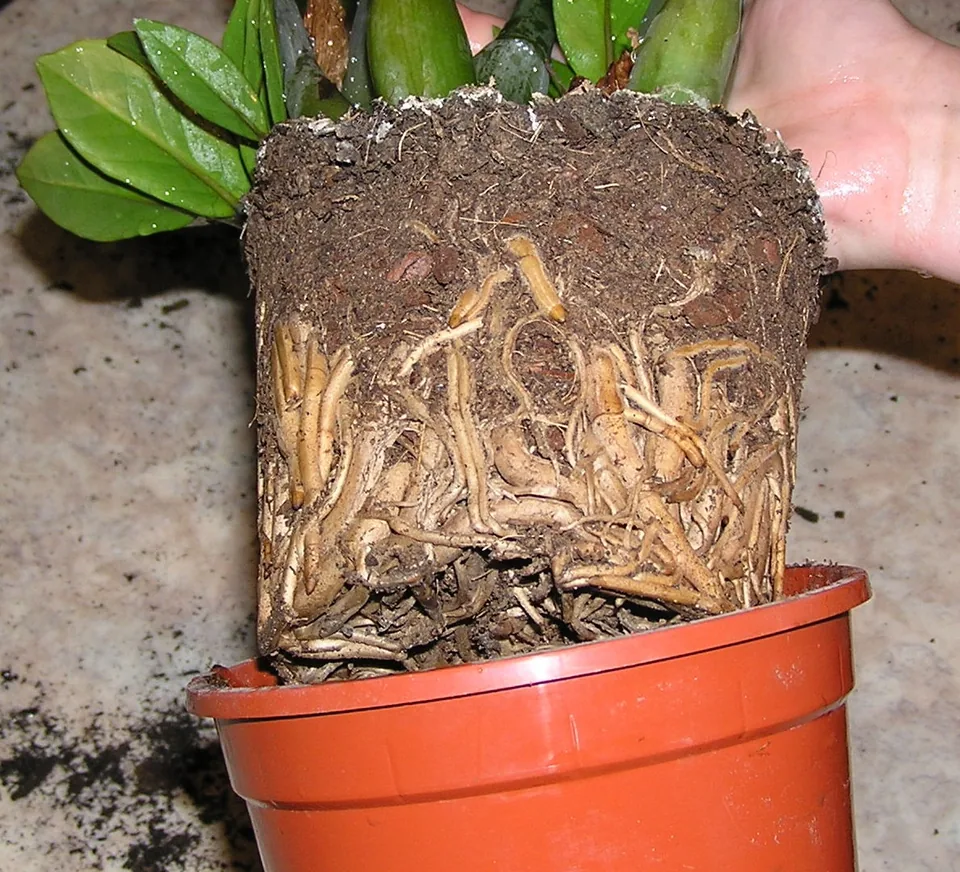
About 3 min read
Root rot is hard to confirm from leaves alone. Look for persistently wet mix and soft, discolored roots before deciding what to do.
Read guide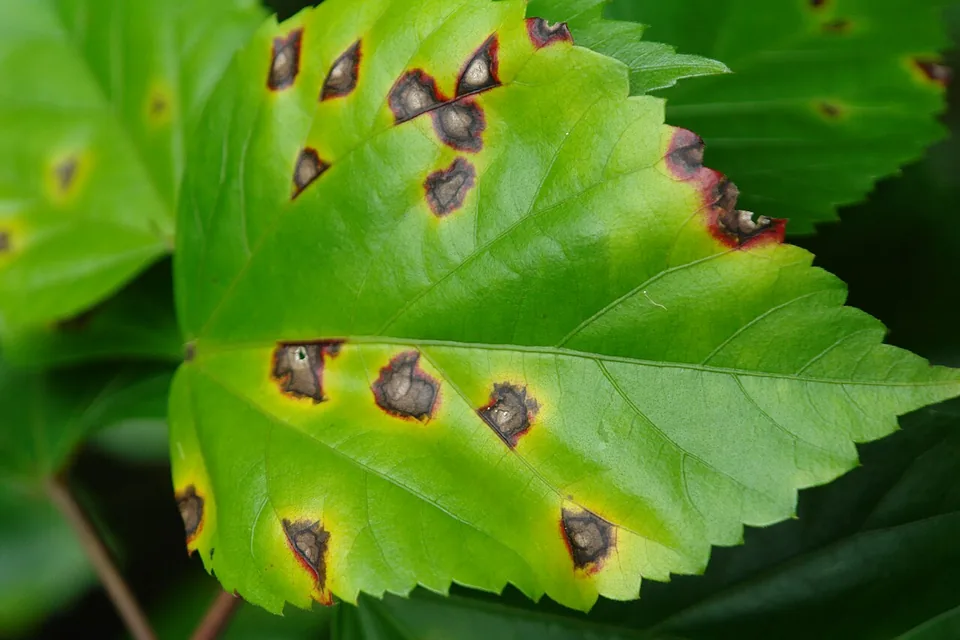
About 3 min read
A brown spot is not always an infection. First inspect its pattern, the leaf underside, light exposure, and recent care.
Read guide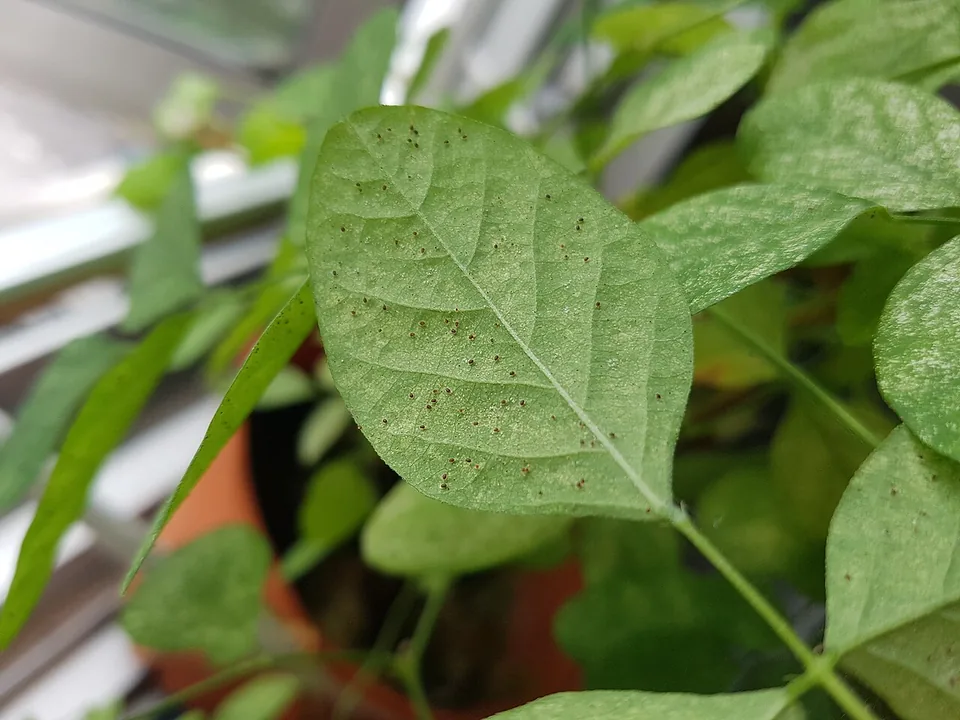
About 2 min read
Spider mites are tiny. Look for fine stippling and inspect leaf undersides before choosing a treatment.
Read guideCheck moisture below the surface, drainage, leaf undersides, and recent changes. If a plant declines quickly or several plants are affected, a local extension plant clinic can examine samples that a photo cannot.
Our editorial approach
The Cambium editorial team writes for people caring for houseplants at home. Each guide links to published university extension or horticultural guidance, separates observations from possible causes, and explains what a photo cannot establish. The articles are not individually reviewed by a horticultural expert.
Publication and update dates are shown on every guide. We revise advice when the evidence or practical guidance changes; we do not refresh dates just to make a page look new. If you spot an error, contact Cambium support with the guide URL and the source we should check.