Repotting is useful when a plant needs more root space or fresh, suitable potting mix. It is also a disturbance. Before buying a bigger pot, decide what problem you are trying to solve and inspect the root ball if practical.
Signs worth investigating
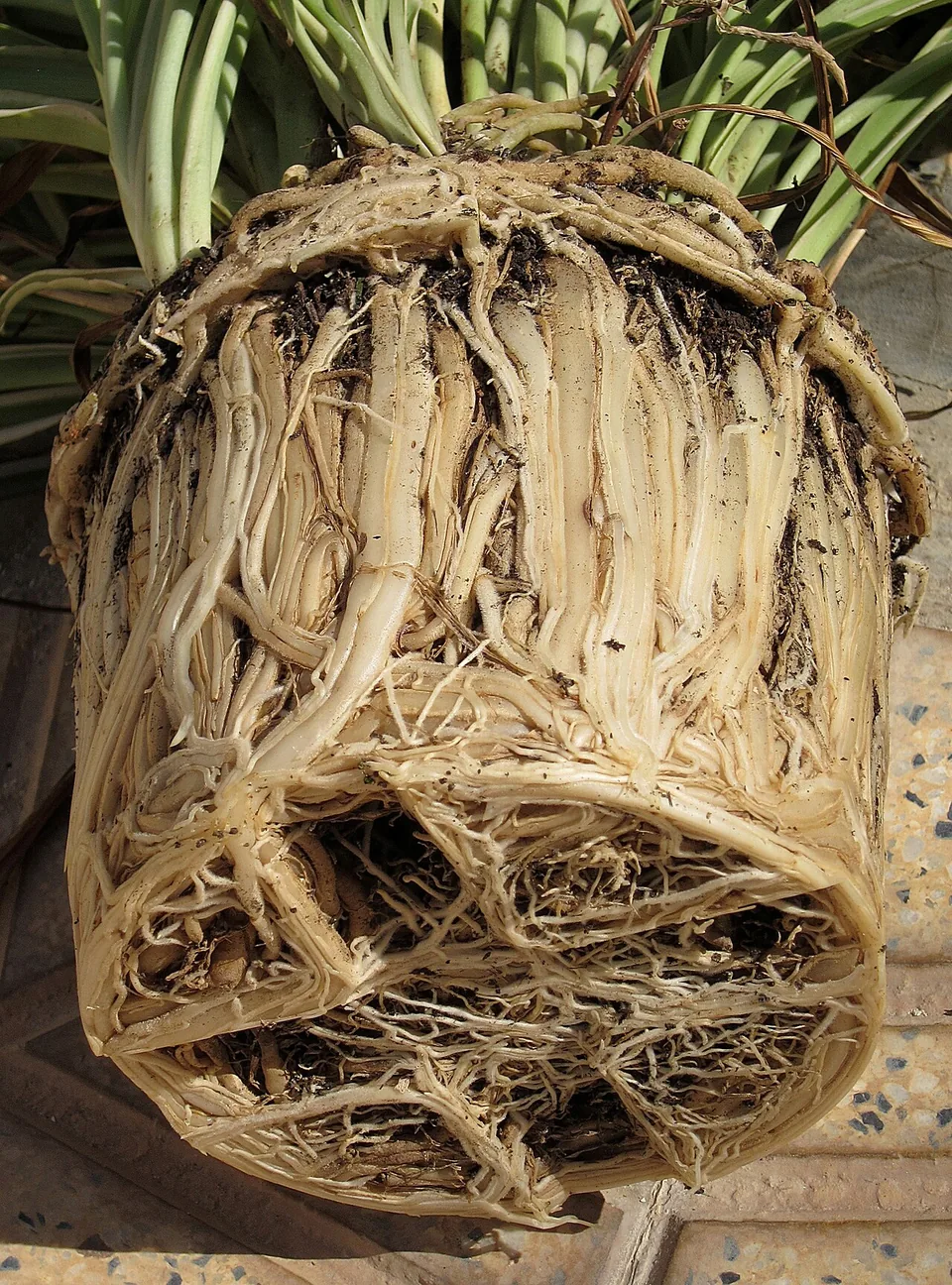
- Roots crowding the drainage holes or circling densely inside the container.
- A pot that dries much faster than it used to under similar conditions.
- A plant becoming unstable or top-heavy.
- Mix that no longer drains or wets as expected.
Minnesota Extension's winter tips identify root growth outside the container and instability as signals to consider repotting. One root through a hole is a prompt to check, rather than proof that the entire pot is crowded.
Compare the root ball with the pot before deciding. If there is plenty of mix around relatively few roots, increasing pot size may not help. If the plant is yellowing in wet mix, use the root rot checks first.
When is the best time?
For routine repotting, a period of active growth is usually easier for the plant to recover in. Minnesota Extension's spring guide recommends assessing the plant before changing its pot. “Spring” describes a common growing-season opportunity in that source's climate; use your plant's actual growth and indoor conditions rather than treating a month as universal.
Urgent drainage or root problems may require action sooner. Do not leave a collapsing plant in standing water while waiting for a preferred season.
Choose a pot for the roots you have
Use a container with drainage and enough room for modest growth, rather than the largest pot available. Minnesota Extension warns that too much extra soil can retain excess water. A plant with substantial root loss may need a smaller container, not a larger one.
Choose growing media appropriate for the species. Maryland Extension's repotting guidance emphasizes a porous medium that also retains suitable moisture and advises against a gravel layer at the bottom. Gravel does not replace drainage holes.
A careful repotting checklist
- Prepare the container and suitable fresh mix before removing the plant.
- Support the root ball and gently release it; do not yank on the stems.
- Examine the roots. If you find soft, deteriorating tissue, investigate root damage before following a routine pot-size upgrade.
- Set the plant at its existing planting depth and fill around the root ball without heavily compacting the mix.
- Water as appropriate for the plant and mix, let it drain, and check moisture before the next watering.
Keep a dated note of the pot size and mix used. Avoid treating temporary drooping as an automatic request for more water.
Can repotting fix yellow leaves?
Only if the change addresses the underlying problem. Light, pests, temperature, and normal leaf aging can also produce yellow leaves. A photograph cannot show root crowding inside a pot; check the roots and growing conditions before acting.