
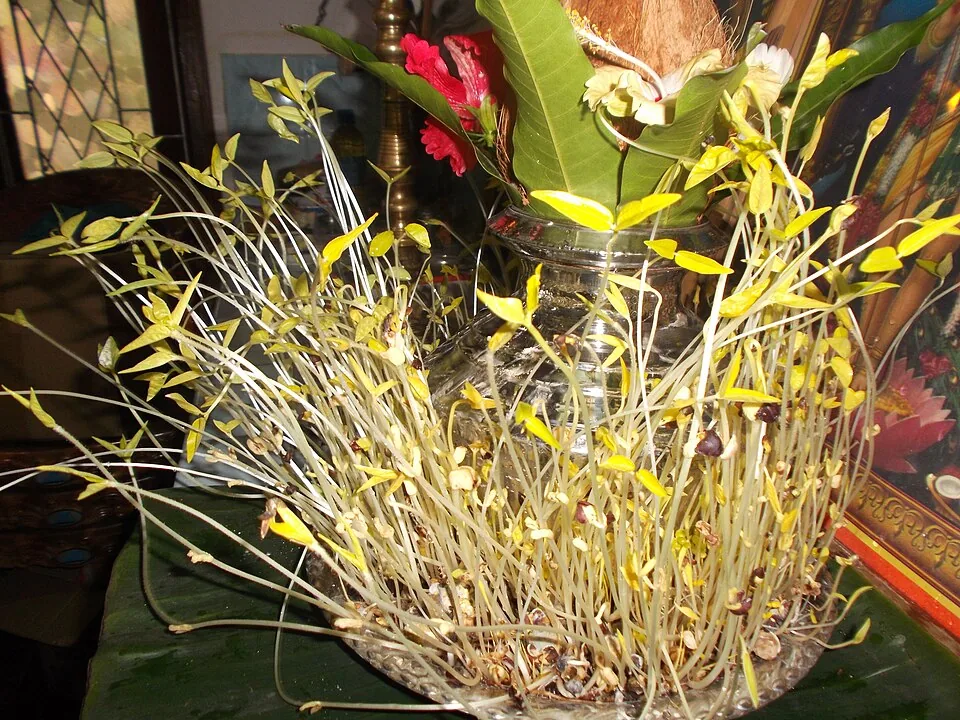
A houseplant can keep growing while gradually losing its compact shape. New stems may be long and thin, with wider spaces between leaves, or the whole plant may lean toward a window. This is often called leggy growth. Light is a common explanation, but compare new growth with the plant's usual habit before changing its care.
What counts as leggy growth?
University of Minnesota Extension describes long, thin stems reaching toward light and longer gaps between leaf nodes. Older leaves may drop, color may fade, and flowering may slow. University of Maryland Extension also notes that a one-sided light source can cause a plant to lean.
A naturally trailing pothos or climbing philodendron is not automatically unhealthy because it has long stems. Compare the spacing and strength of new growth with older growth on the same plant. Check the species before judging its shape.
How do you check whether light is the problem?
Identify the plant and its expected light range. Then look at the place it actually grows: distance from the window, curtains, nearby buildings or trees, and seasonal changes. A room that looks bright to your eyes may provide little useful light several feet from a window. Maryland Extension explains that light intensity falls as distance from the source increases.
Notice when the stretching began. A move into a darker room or shorter winter days are useful clues. Check the potting mix and roots if there is also wilting or yellowing; watering problems can coexist with poor light. A photo of one stretched stem does not measure the light the plant receives each day.
What should you do next?
- Choose a more suitable spot. Move the plant closer to an appropriate window or add suitable supplemental light if natural light is inadequate. Match the position to the species rather than assuming every plant wants direct sun.
- Adjust gradually and watch the leaves. A sudden move into strong direct sun can scorch leaves that grew in shade. Maryland Extension warns that excessive light can cause pale or brown, dead areas.
- Track new growth. Newer leaves and stem spacing are better signs of improvement than the old stretched section, which will not shrink back into a compact form.
- Prune only when appropriate for the species. Some vining houseplants respond to tip pinching; Maryland Extension describes this for philodendron vines. Do not cut a cactus or a single-stemmed plant just because the same approach works for a vine. Look up species-specific pruning advice first.
Will a grow light fix a leggy plant?
Supplemental lighting can help future growth when placement alone cannot meet the plant's needs. The Minnesota lighting guide explains that plant response depends on the light source and its placement. Follow the fixture instructions and observe the plant rather than relying on a generic distance or schedule.
If new growth remains weak after the light change, reassess the plant's identity, watering, roots, and pests. A local extension service can help when the cause is still uncertain.