
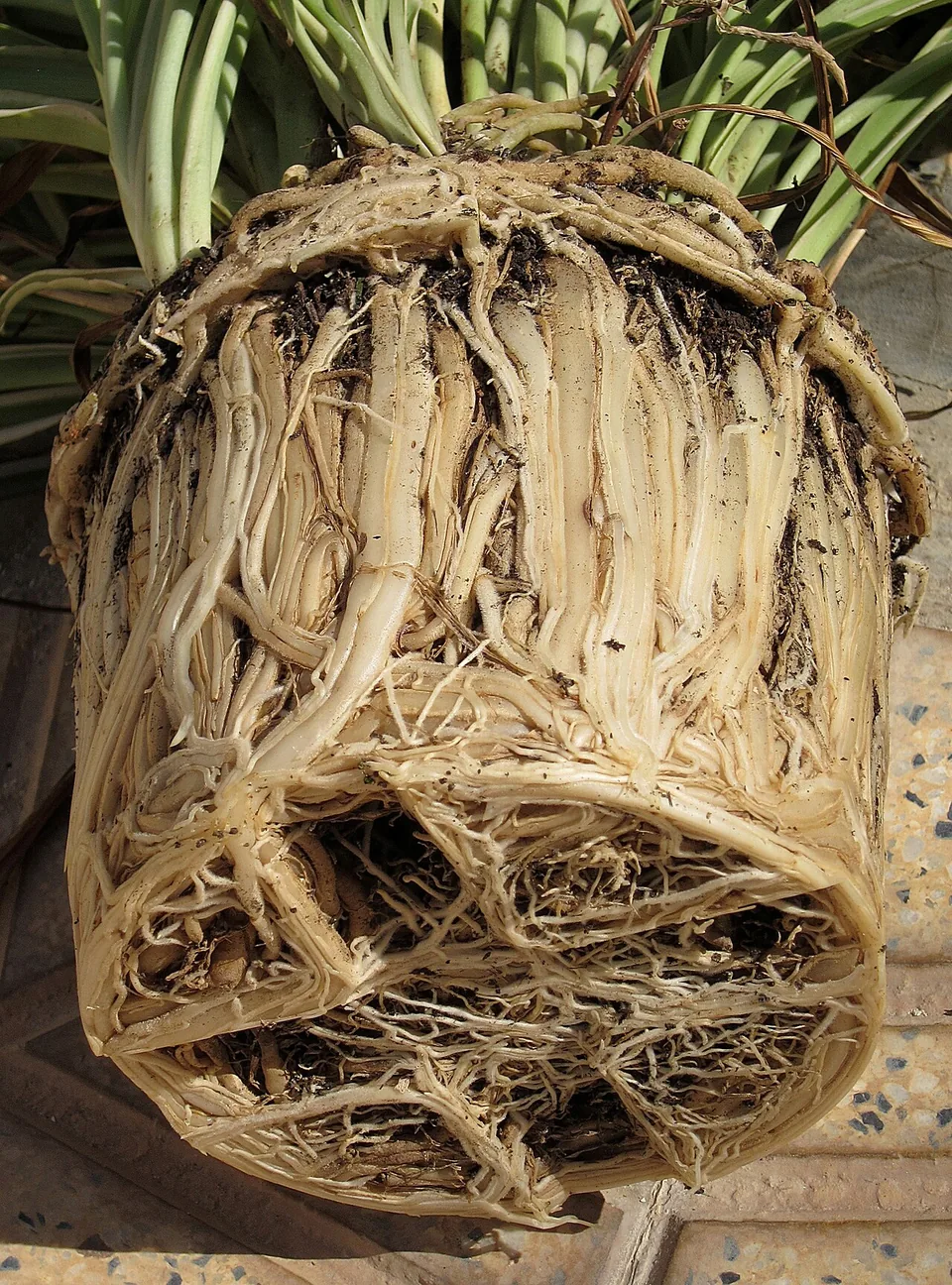
Houseplants need nutrients, but a pale leaf does not tell you which nutrient is missing. Before adding fertilizer, check light, moisture, drainage, and whether the plant is actually growing. Feeding cannot compensate for roots sitting in water or a position that is too dark.
When does a houseplant need feeding?
Look for active growth and review the potting mix label. A recently repotted plant may already have fertilizer in its mix. Adding another product without checking can duplicate the dose.
Maryland Extension recommends houseplant fertilizers mixed according to their labels. Needs vary with the species and growing conditions. Use the product's directions for the relevant plant and application method, rather than copying a dose from a different bottle.
Read the label before measuring
Check the dilution, application interval, and whether the product is meant to be mixed into water or applied to the growing medium. Measure carefully. Concentrated liquid, ready-to-use liquid, and slow-release granules are not interchangeable.
Keep a simple note of the date, product, and amount. If you use a potting mix with added nutrients, include that in the record. Avoid stacking several feeds because each promises a different benefit.
Should you fertilize in winter?
Use growth and light as your guide. A plant growing slowly in a dim room usually needs less feeding than one actively producing leaves under suitable light. Indoor conditions and seasons vary, so a universal calendar is less useful than observing the plant and following species-specific guidance.
If growth has stopped, first check light and roots. See when to repot before deciding that an older pot automatically needs a larger fertilizer dose.
Can fertilizer fix yellow leaves?
Sometimes nutrition contributes, but yellow leaves also occur with watering problems, pests, and normal aging. Check those possibilities before feeding a stressed plant. Existing damaged areas may remain damaged even after care improves; watch new growth instead.
Excess fertilizer can contribute to salt injury. If brown tips appear after feeding, stop adding more while you review the dose, drainage, and water history. A photograph can document the pattern, but it cannot measure nutrient levels in the pot.